Burn the Backlog: Why Smart PMs Are Starting from Scratch

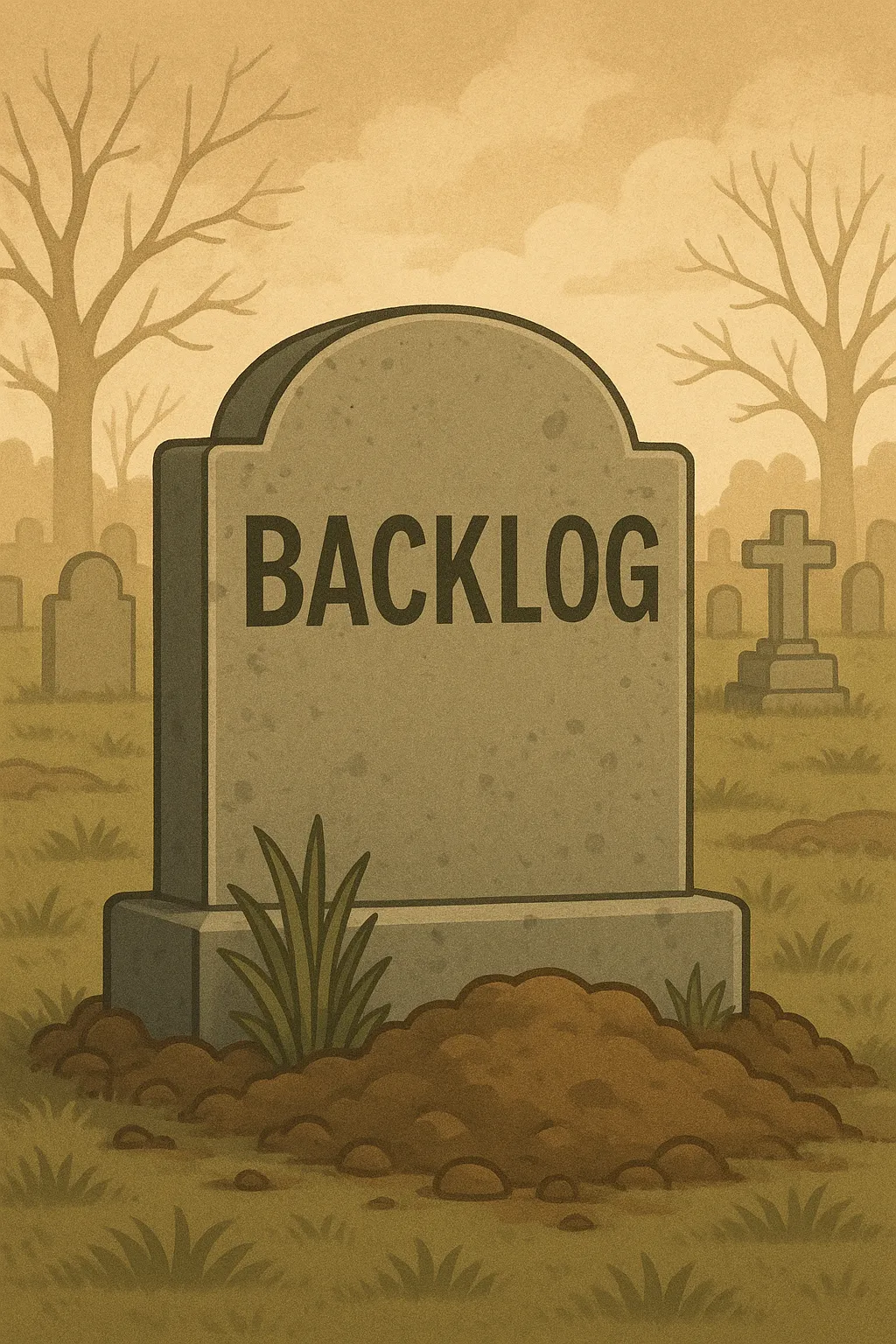
When the Backlog Becomes a Graveyard
Most product teams start with good intentions: collect ideas, track input, build a prioritized backlog. But fast forward a year — and the backlog has ballooned into a list of 200+ tickets that no one reads, no one updates, and everyone quietly avoids.
It’s not a roadmap. It’s a dumping ground.
That’s why some PMs are doing something radical: killing the backlog entirely.
This isn’t about chaos. It’s about focus. Instead of hoarding ideas, these teams work in tighter loops — validating, shipping, and adjusting based on what’s real right now.
Why Traditional Backlogs Break Down
A bloated backlog sends the wrong signals:
- Every idea looks like it deserves to be built.
- PMs feel obligated to “honor” old requests.
- Priorities get buried under outdated noise.
You spend more time maintaining the backlog than using it.
And worse — you start mistaking accumulation for progress.
What Replaces the Backlog When You Ditch It
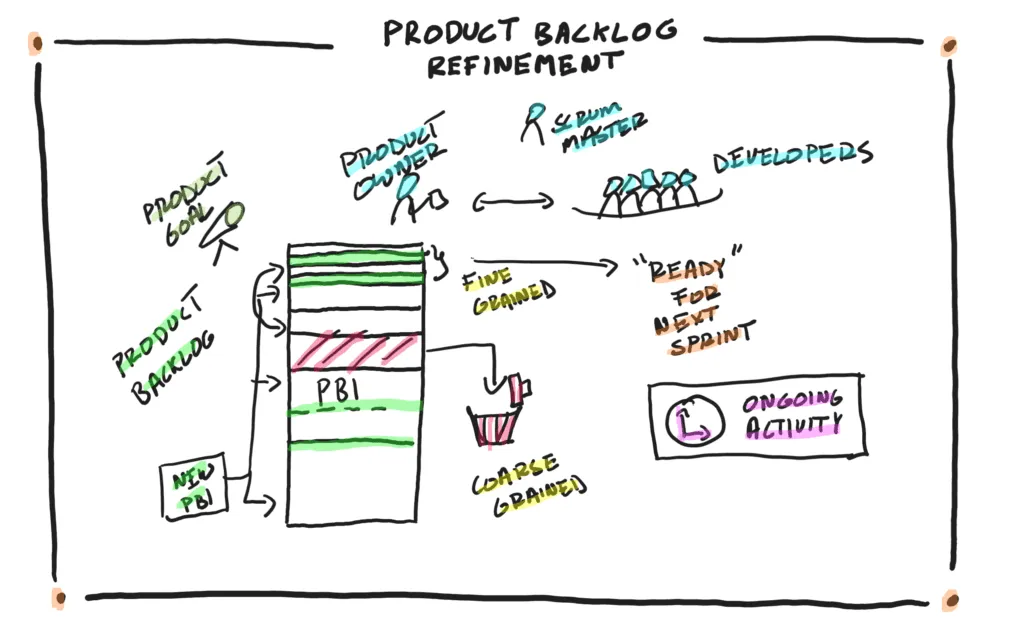
Deleting the backlog doesn’t mean deleting all structure. The best teams that go backlog-free don’t operate with chaos — they just use different signals to stay focused.
Here’s what they use instead:
Live Opportunity Boards
Not a task list. A set of active product bets.
- Problems, not features.
- Validated by recent data, not old opinions.
- Prioritized every sprint with fresh context.
This keeps the roadmap tied to reality — not wishlist items from last year.
High-Frequency Discovery
Weekly or biweekly user calls replace months of “build then guess.”
Teams:
- Validate small ideas fast.
- Retire bad ones before they get scoped.
- Stay close to what users actually care about now.

Lightweight Experiments
Instead of grooming backlog items, teams:
- Test ideas with Figma prototypes.
- Ship micro-versions to subsets of users.
- Let results shape what goes into delivery.
It’s not about saying no to features. It’s about saying no to stale planning.
How to Sunset the Backlog Without Losing Your Team
Killing the backlog isn’t just a PM choice — it’s a cultural shift. The transition has to be intentional, or it risks looking like disorganization.
Here’s how smart teams make the move without breaking trust or delivery flow.
Start With a Clean Cutoff
Pick a date. Archive everything before it. Be explicit:
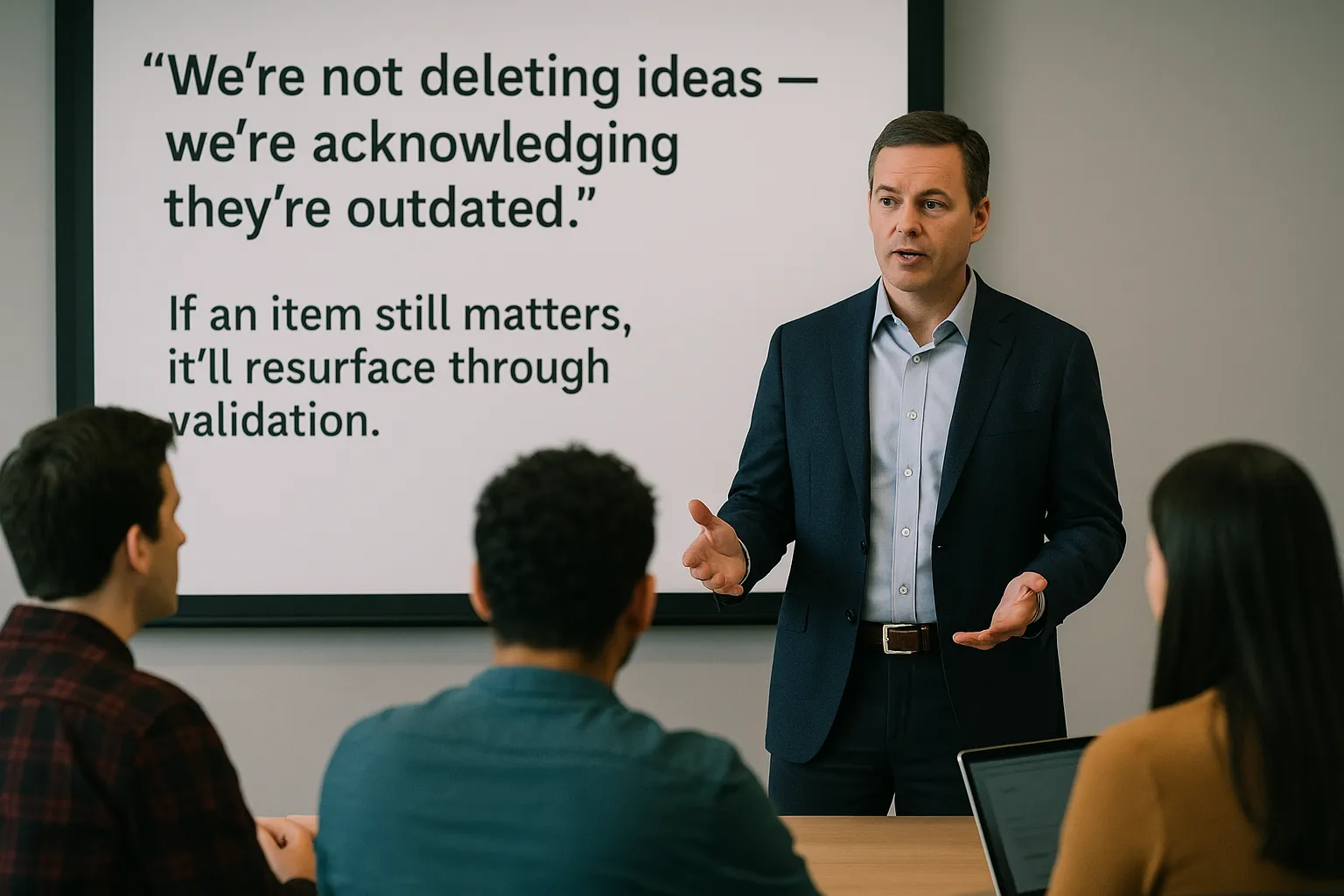
- “We’re not deleting ideas — we’re acknowledging they’re outdated.”
- “If an item still matters, it’ll resurface through validation.”
Signal that you’re optimizing for relevance, not disrespecting history.
Communicate What Replaces the Old System
Stakeholders hate ambiguity. Show them the new loop:
- How product bets get surfaced.
- How decisions are made.
- When and how they can give input.
Transparency builds confidence — even when the process is new.
Set a Short-Term Trial Window
Run the new system for 1–2 cycles. Make it clear:
- “This is an experiment.”
- “We’ll adjust based on how it works.”
Use retros to assess:
- Are we moving faster?
- Are we still aligned?
- Are we shipping smarter, not just more?
Keep a Lightweight Record of Closed Loops
Instead of grooming a backlog, document outcomes:
- What bets we made.
- What worked, what didn’t.
- What we learned.
This becomes your source of truth — and a better guide than a thousand untouched tickets.
A Backlog Should Serve the Team — Not the Other Way Around
Killing the backlog isn’t rebellion. It’s a recognition: if the tool becomes the goal, you’ve lost focus.
Some teams need structure. Others need momentum. If your backlog stops supporting both — it might be time to let it go.

• PHP expertise;
• Database management skills;
•Jungling traits, methods, objects, and classes;
• Agile & Waterfall understanding and use;
• Soft skills (a good team player, high-level communication, excellent problem-solving background, and many more)
• OOP & MVS deep understanding;
• Knowledge of the mechanism of how to manage project frameworks;
• Understanding of the business logic the project meets;
• Cloud computing & APIs expertise.
• Reasonable life-work balance;
• The opportunity to implement the server-side logic via Laravel algorithms;
• Hassle-free interaction with back-end and front-end devs;
• Strong debugging profile.
• Using HTML, XHTML, SGML, and similar markup languages
• Improving the usability of the digital product
• Prototyping & collaboration with back-end JS experts
• Delivery of high-standard graphics and graphic-related solutions
• Using JS frameworks (AngularJS, VueJS, ReactJS, etc
• Clean coding delivery and timely debugging & troubleshooting solution delivery
• UI testing and collaboration with front-end JS teammates
• Database experience
• Building APIs while using REST or similar tech solutions
• Collaboration with project managers and other devs
• Delivery of design architecture solutions
• Creation of designs & databases
• Implementation of data protection and web cybersecurity strategies.
• Both front-end and back-end qualifications