Compliance Chaos: How Global Hiring Trips Up Fast Startups

Scaling Fast, Slamming Into Reality
Startups move fast — until compliance slows them down.
In the rush to build, grow, and hire top talent, many founders cast a global net. The logic seems solid:
- Great devs are everywhere.
- Remote is the new normal.
- We’ll figure out the paperwork later.
But “later” comes fast. And it hits hard.
What starts as a dream team across time zones can become a legal and financial minefield:
- Payroll chaos.
- Tax exposure.
- Misclassification risks.
- Contract gaps that don’t hold up.
This isn’t a theoretical problem. It’s why global teams stall, get fined, or start bleeding cash just as they hit growth.
In this series, we’ll explore how compliance risk shows up in global hiring — and what founders, CEOs, and CTOs can do to scale teams without stepping on landmines.

Where It Breaks — The Hidden Risks Behind the Hires
Most compliance issues don’t look like emergencies — until they are. They hide inside fast-moving operations and surface when it’s too late to fix without pain.
Here are the most common failure points in global dev hiring:
Misclassified Workers
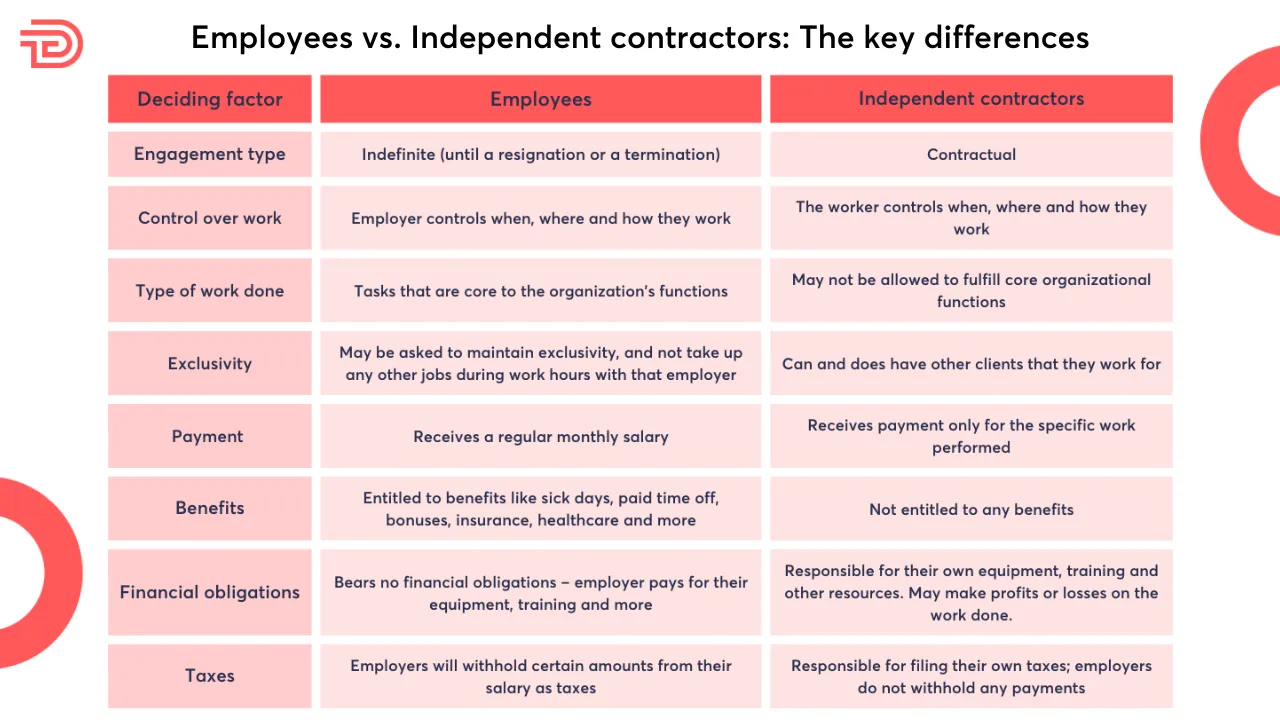
You hire a dev as a contractor. They work full-time, follow your hours, report to a manager. That’s not a contractor — that’s an employee.
Penalties:
- Fines from local governments.
- Retroactive tax liability.
- Risk of lawsuits or blocked payments.
Inconsistent Contracts
Every country has its own labor rules. A one-size-fits-all template doesn’t work.
Risks:
- Unenforceable NDAs or IP clauses.
- Disputes over ownership or notice periods.
- Confusion around termination or bonuses.
Cross-Border Payroll Mess
Paying devs manually via TransferWise or PayPal might work early — but it doesn’t scale.
Issues:
- Currency fluctuations.
- Lack of payslips or tax reporting.
- Local authorities flagging suspicious recurring payments.
Ignoring Local Holidays, PTO, and Benefits
Remote doesn’t mean universal. Each market has rules.
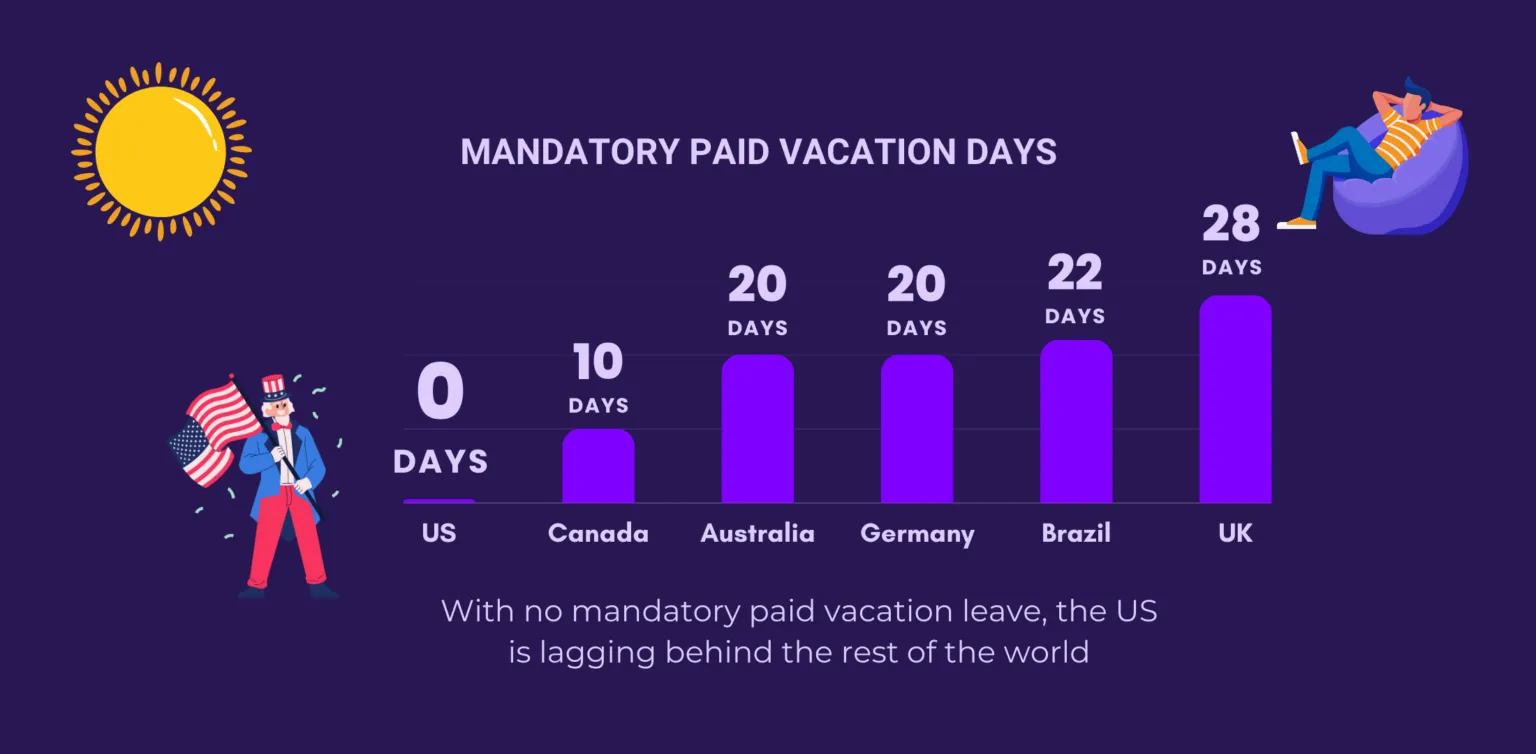
- Mandatory paid leave.
- National holidays.
- Statutory sick pay or maternity policies.
Skipping this can harm retention — and attract regulatory scrutiny.
Building Scalable Systems Before the Pain Hits
Global hiring can be your biggest growth lever — or your biggest liability. It depends on how early you build compliance into the system.
Here’s how smart teams stay fast without falling apart:
Centralize Contracts and Classifications
Use global employment platforms or legal partners that specialize in local laws.
- Country-specific templates.
- Pre-vetted classification rules.
- Localized onboarding and documentation.
This avoids future cleanup — and gives you confidence every offer is solid.
Automate Cross-Border Payroll
Manual payments break at scale. Tools like Wild.Codes, Deel, Remote, or Oyster help you:
- Stay compliant with local tax and labor rules.
- Provide real payslips and tax forms.
- Offer consistent benefits, even across countries.
This turns payroll into a system, not a recurring fire.
Track Local Entitlements — Don’t Guess
Build a remote calendar that includes:
- Local holidays.
- Minimum paid leave.
- Required benefits.
This shows you respect local norms — and avoids legal missteps.
Make Compliance Part of Hiring, Not an Afterthought
Shift mindset from “we’ll fix it later” to “this is part of how we scale.”
- Train hiring managers to spot risk early.
- Keep legal in the loop on new countries.
- Audit classifications quarterly, not after a scare.

You Don’t Have to Be a Lawyer — You Just Need a System
Most startups break compliance by accident. The fix isn’t perfection — it’s structure. Build systems that protect your team, your roadmap, and your ability to hire anywhere.
Remote works — but only when the foundation holds.

• PHP expertise;
• Database management skills;
•Jungling traits, methods, objects, and classes;
• Agile & Waterfall understanding and use;
• Soft skills (a good team player, high-level communication, excellent problem-solving background, and many more)
• OOP & MVS deep understanding;
• Knowledge of the mechanism of how to manage project frameworks;
• Understanding of the business logic the project meets;
• Cloud computing & APIs expertise.
• Reasonable life-work balance;
• The opportunity to implement the server-side logic via Laravel algorithms;
• Hassle-free interaction with back-end and front-end devs;
• Strong debugging profile.
• Using HTML, XHTML, SGML, and similar markup languages
• Improving the usability of the digital product
• Prototyping & collaboration with back-end JS experts
• Delivery of high-standard graphics and graphic-related solutions
• Using JS frameworks (AngularJS, VueJS, ReactJS, etc
• Clean coding delivery and timely debugging & troubleshooting solution delivery
• UI testing and collaboration with front-end JS teammates
• Database experience
• Building APIs while using REST or similar tech solutions
• Collaboration with project managers and other devs
• Delivery of design architecture solutions
• Creation of designs & databases
• Implementation of data protection and web cybersecurity strategies.
• Both front-end and back-end qualifications