Feature Flags or Feature Flaws? The Risk You Might Be Hiding

The Illusion of Progress Behind a Toggle
Feature flags feel like magic. You ship more often. Break less. Test quietly. Roll back instantly. They’re essential for modern product delivery — especially in teams pushing code daily.
But for some teams, flags don’t just reduce risk. They start to hide it.
Here’s the pattern:
- A feature ships under a flag.
- Rollout keeps getting postponed.
- No one’s sure if users want it.
- It lingers for months — half-built, half-abandoned.
The flag becomes a crutch. Progress looks real, but adoption stalls. Velocity stays high, but value doesn’t land.
This article series explores how feature flags help teams move fast — and how they backfire when used to delay hard decisions.

Why Flags Exist (and Why They Work — at First)
Used well, flags unlock flexibility:
- Test in production safely.
- Separate deploy from release.
- Run experiments or betas without code freezes.
But used poorly, they:
- Bloat the codebase.
- Confuse the team.
- Create “zombie features” no one fully owns.
When Flags Become a Symptom, Not a Strategy
Shipping behind a flag feels productive. But it can also create the illusion of progress — especially when teams don’t follow through.
Here’s when flags stop helping:
1. There’s No Clear Rollout Owner
If no one is responsible for removing the flag, it never goes live — or gets deleted. Flags aren’t decisions. They delay decisions. And without ownership, delay becomes decay.

2. Success Criteria Are Missing
You can’t validate what you haven’t defined. What does “working” mean? Adoption? Performance? Conversion? Without this, flags become permanent maybes.
3. Flags Outlive Context
The PM who pushed the feature leaves. The problem it solved is no longer urgent. But the code is still there — gated, aging, and adding risk.
4. Rollouts Happen by Gut, Not Signal
If decisions come from “it feels ready,” teams lose their testing discipline. Flags become excuses to avoid alignment, not tools to earn it.
Building Flag Hygiene — Systems That Ship With Clarity
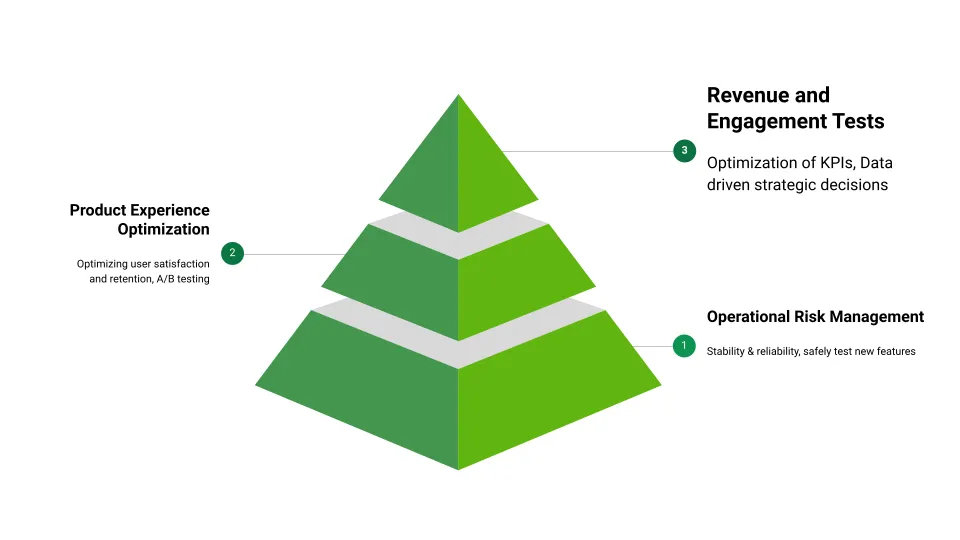
Feature flags should increase product confidence — not blur it.
Here’s how great teams use them without getting stuck in indecision:
Tie Every Flag to a Clear Outcome
Before a flag hits main:
- Define what success looks like.
- Set a default outcome if no signal emerges.
- Assign a DRI for removing or escalating.
Flags aren’t forever. Make that obvious.
Schedule Flag Reviews
Once a month:
- Review all active flags.
- Archive what’s unused.
- Roll forward what’s proven.
Don’t let half-shipped features become long-term tech debt.
Use Flags for Learning, Not Avoidance
Smart teams run flags like bets:
- “What will this teach us?”
- “What changes if we’re wrong?”
- “What’s the fastest way to find out?”
Flags aren’t a pause button. They’re a microscope.
Build a Flag Culture That Ends Features
If something doesn’t work — kill it. Cleanly. Publicly.
Celebrate shipped features. Respect killed ones. Document both.
Velocity Without Clarity Is a Mirage
Feature flags aren’t shortcuts. They’re instruments. Used well, they reduce risk. Used poorly, they create false momentum.
If you want to ship faster — don’t just toggle. Decide.

• PHP expertise;
• Database management skills;
•Jungling traits, methods, objects, and classes;
• Agile & Waterfall understanding and use;
• Soft skills (a good team player, high-level communication, excellent problem-solving background, and many more)
• OOP & MVS deep understanding;
• Knowledge of the mechanism of how to manage project frameworks;
• Understanding of the business logic the project meets;
• Cloud computing & APIs expertise.
• Reasonable life-work balance;
• The opportunity to implement the server-side logic via Laravel algorithms;
• Hassle-free interaction with back-end and front-end devs;
• Strong debugging profile.
• Using HTML, XHTML, SGML, and similar markup languages
• Improving the usability of the digital product
• Prototyping & collaboration with back-end JS experts
• Delivery of high-standard graphics and graphic-related solutions
• Using JS frameworks (AngularJS, VueJS, ReactJS, etc
• Clean coding delivery and timely debugging & troubleshooting solution delivery
• UI testing and collaboration with front-end JS teammates
• Database experience
• Building APIs while using REST or similar tech solutions
• Collaboration with project managers and other devs
• Delivery of design architecture solutions
• Creation of designs & databases
• Implementation of data protection and web cybersecurity strategies.
• Both front-end and back-end qualifications