It’s Not the Money — Devs Are Quitting Over Meetings

The Real Burnout No One Tracks
It’s easy to blame compensation when developers leave. But for many, salary wasn’t the problem. It was the endless interruptions. The Zoom fatigue. The daily standup that turned into a status meeting, then a planning session, then a roadmap debate.
It wasn’t the work — it was the work about work.
This series explores why the best developers quietly disengage — not because they’re underpaid, but because they’re over-managed, under-trusted, and out of flow.
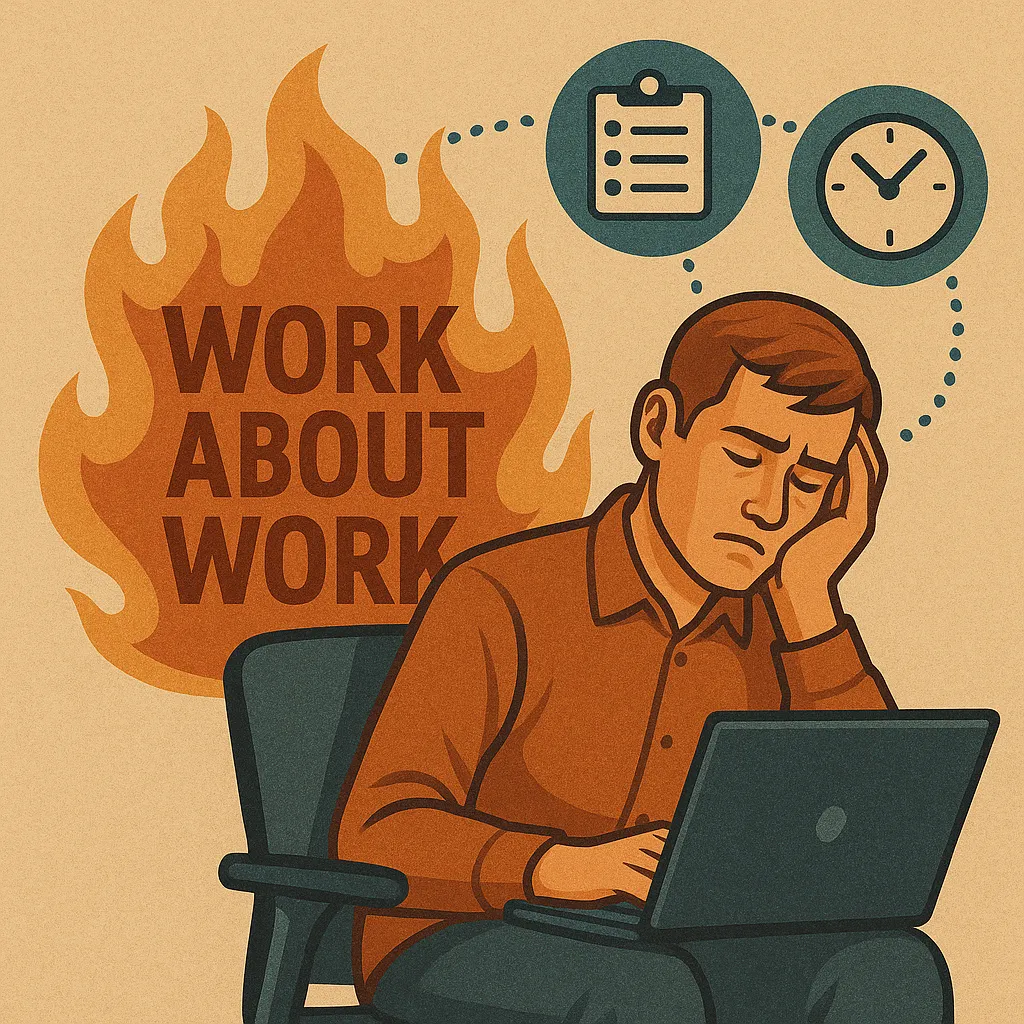
The Hidden Cost of Meetings in Dev Teams
Developers aren’t wired for fragmentation. Most of their value comes from:
- Deep work
- Focused problem solving
- Creative architecture
But each meeting:
- Splits context
- Kills momentum
- Creates shallow accountability
And when that becomes the norm, even great engineers start asking: “When’s the last time I actually built something?”
The Meetings Developers Actually Hate
Not all meetings are bad. But the wrong meetings — in the wrong format, at the wrong time — crush energy.
Here’s what developers cite as deal-breakers:
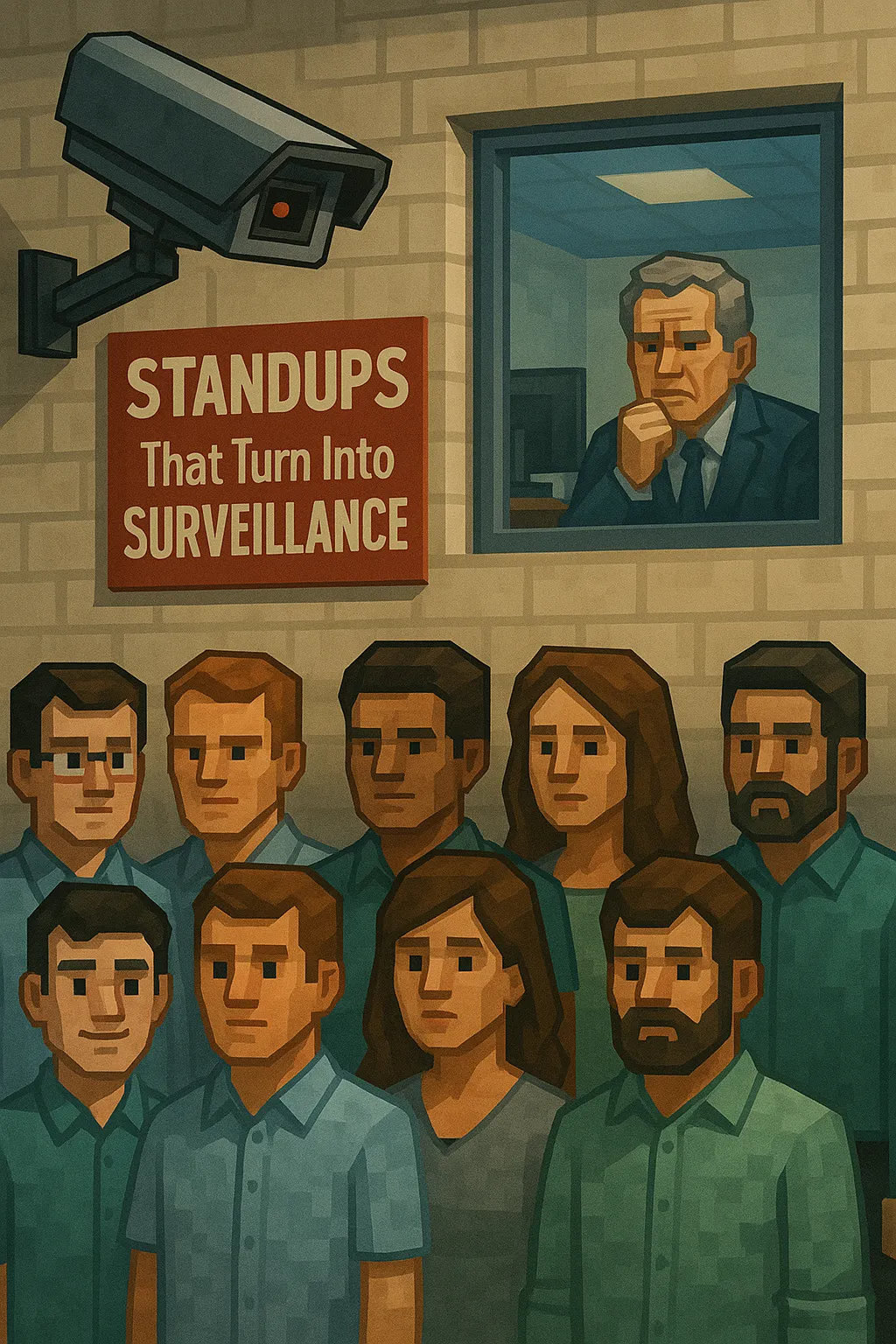
Standups That Turn Into Surveillance
Instead of quick alignment, they become:
- Status recaps
- Micro-management theatre
- A daily reminder that no one reads updates async
Engineers start checking out mentally before the Zoom link opens.
“Working Sessions” That Aren’t Workable
Design reviews without clear goals. Tech alignment calls without structure. These sound collaborative — but they burn time and leave everyone wondering what actually got done.
Time Zone Whiplash
Distributed teams pay the price:
- Late-night calls for some
- Mid-sprint context switches for others
When meetings favor geography over flow, resentment builds silently.
Planning Calls That Solve Nothing
When the real decisions happen afterward in DMs, the call becomes performative. Developers stop bringing ideas — they stop caring.
Meeting Culture That Engineers Actually Stick Around For
The fix isn’t no meetings. It’s better ones — with purpose, structure, and trust.
Here’s how high-retention teams do it:
Cut More Than You Schedule
Ask: “If we canceled this, what would break?” If the answer is nothing — cut it. Default to:
- Async first
- Written updates
- One-call-per-week rules for small teams
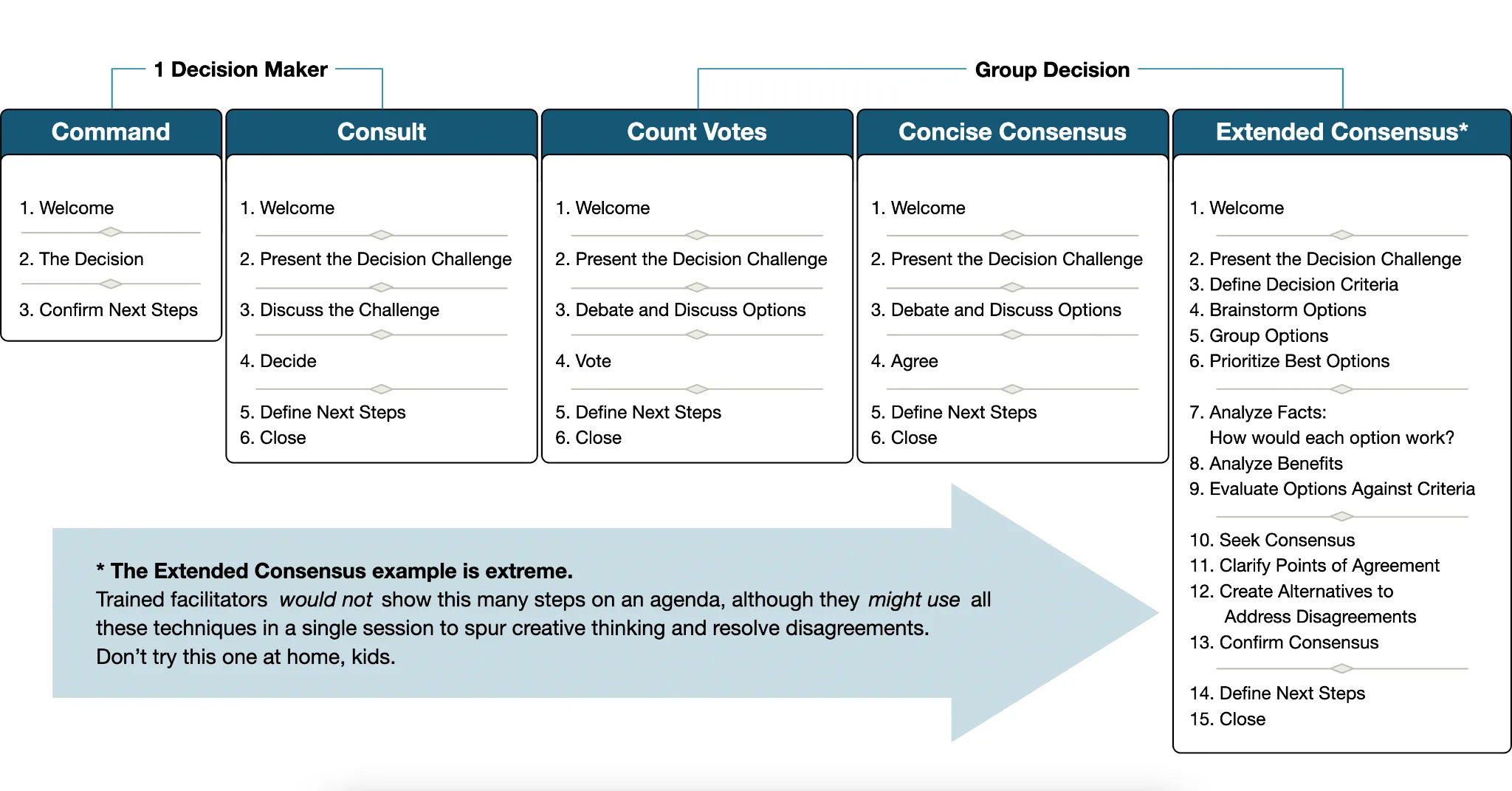
Turn Meetings Into Decisions, Not Debates
Good meetings:
- Start with context
- End with clarity
- Include the minimum number of voices
Don’t talk about decisions. Make them.
Protect Focus Like Uptime
No one ships well in 30-minute bursts.
- Block deep work mornings
- Cluster meetings mid-day or mid-week
- Reward output, not online time
Let Engineers Say No
Great cultures allow opt-outs:
- “Skip if not relevant.”
- “Watch async later.”
- “Drop off after your part.”
This signals respect — and builds autonomy.
You’re Not Just Scheduling Meetings — You’re Shaping Culture
Every invite is a signal. Every recurring slot is a bet. If your calendar drains your best people, they’ll eventually leave — not for more money, but for more space.
Great engineering orgs don’t optimize attendance. They optimize flow.

• PHP expertise;
• Database management skills;
•Jungling traits, methods, objects, and classes;
• Agile & Waterfall understanding and use;
• Soft skills (a good team player, high-level communication, excellent problem-solving background, and many more)
• OOP & MVS deep understanding;
• Knowledge of the mechanism of how to manage project frameworks;
• Understanding of the business logic the project meets;
• Cloud computing & APIs expertise.
• Reasonable life-work balance;
• The opportunity to implement the server-side logic via Laravel algorithms;
• Hassle-free interaction with back-end and front-end devs;
• Strong debugging profile.
• Using HTML, XHTML, SGML, and similar markup languages
• Improving the usability of the digital product
• Prototyping & collaboration with back-end JS experts
• Delivery of high-standard graphics and graphic-related solutions
• Using JS frameworks (AngularJS, VueJS, ReactJS, etc
• Clean coding delivery and timely debugging & troubleshooting solution delivery
• UI testing and collaboration with front-end JS teammates
• Database experience
• Building APIs while using REST or similar tech solutions
• Collaboration with project managers and other devs
• Delivery of design architecture solutions
• Creation of designs & databases
• Implementation of data protection and web cybersecurity strategies.
• Both front-end and back-end qualifications