Loyalty > Location: Smart Hiring Isn’t About ZIP Codes

Geography Doesn’t Build Commitment — Trust Does
Founders love control. Proximity feels like control. The office feels like culture. And hiring locally feels like loyalty.
But great teams aren’t built on ZIP codes. They’re built on shared momentum, clarity, and trust — no matter the timezone.
This article explores a shift in how smart CEOs think about hiring and retention:
- Not where talent is located.
- But where it’s loyal.
Because loyalty isn’t about ping pong tables or daily standups. It’s about how people answer the question: “Am I still growing here?”

Why CEOs Still Overvalue Proximity
Old habits die hard. Especially when:
- Speed feels urgent.
- Culture feels fragile.
- The last remote hire ghosted at month four.
But those aren’t location problems. They’re clarity problems. Process problems. Trust problems.
And when loyalty breaks down, geography doesn’t fix it — it hides it.
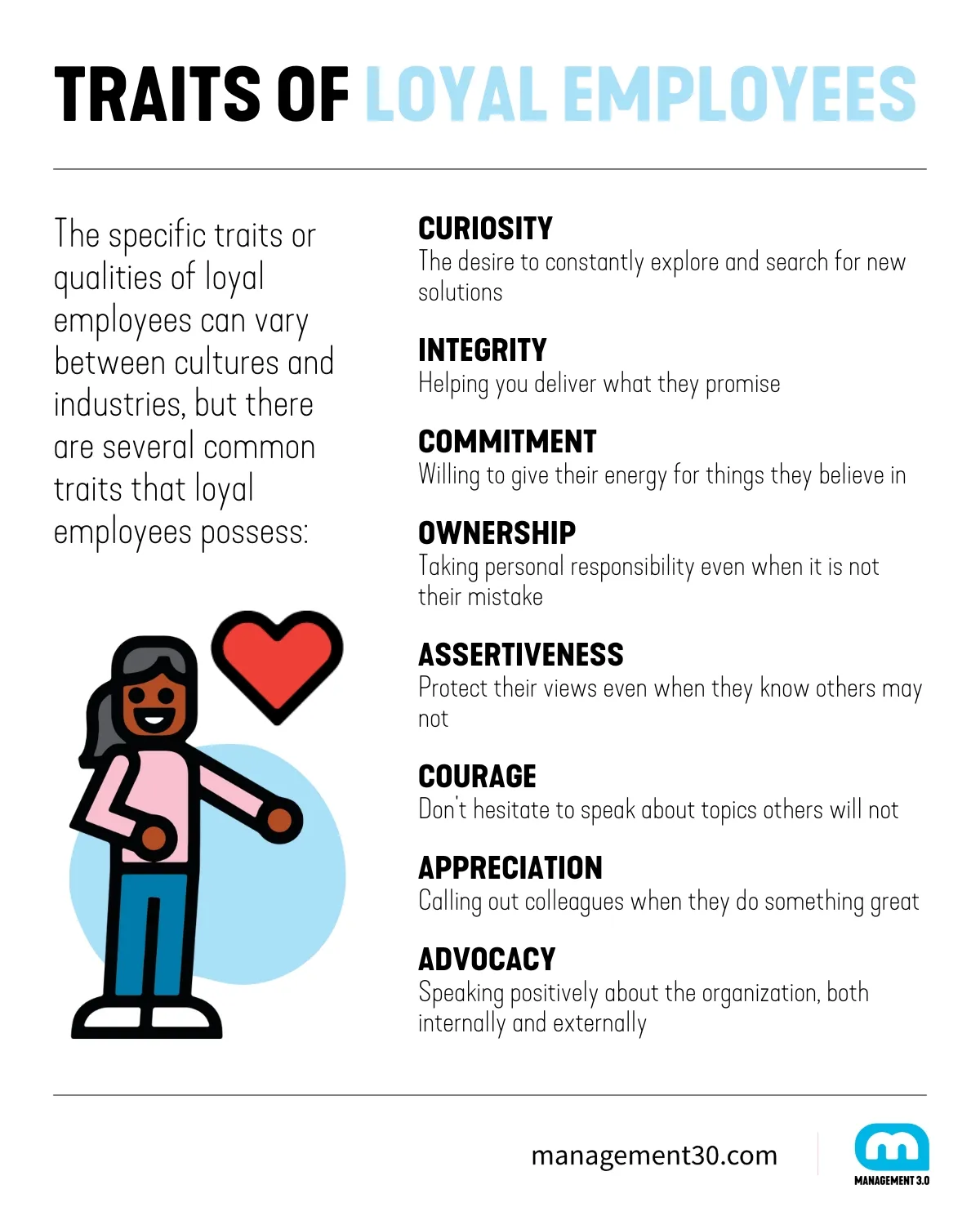
What Loyal Developers Actually Look Like
Hiring for loyalty doesn’t mean hiring for docility. It means hiring people who invest — in the work, in the mission, in the outcome. And that shows up in consistent, observable ways.
Here’s what CEOs and hiring teams look for:
Builders Over Renters
Some developers ship code. Others ship systems.
- Builders leave things better than they found them.
- They write docs, not just deploy features.
- They ask what the product needs — not just what the ticket says.
Curiosity That Scales With Context
Loyalty often shows up as learning:
- “Why was this built this way?”
- “What happens if we don’t solve this?”
- “How does this tie into the business?”
They care enough to zoom out — and make smarter decisions when no one’s watching.
Feedback Without Fragility
Loyal devs don’t nod along. They challenge well. They:
- Ask for clarity without blame.
- Give critique with care.
- Stay present in disagreement.
That stability becomes trust — and trust becomes retention.
Long-Term Thinking in Daily Choices
You’ll see it in:
- Naming conventions that last.
- Comments that explain, not just describe.
- Tradeoffs that protect performance, not just speed.
Creating the Conditions That Make People Stay
Loyalty doesn’t come from swag or timezone overlap. It comes from alignment, respect, and the sense that doing your best work here actually matters.
Here’s how CEOs and founders build that environment:
Don’t Just Say You Trust People — Prove It
- Default to transparency. Share roadmap tension, not just highlights.
- Let people own outcomes, not just tasks.
- Review results, not timezones.
People stay where they feel trusted — and where that trust is mutual.

• PHP expertise;
• Database management skills;
•Jungling traits, methods, objects, and classes;
• Agile & Waterfall understanding and use;
• Soft skills (a good team player, high-level communication, excellent problem-solving background, and many more)
• OOP & MVS deep understanding;
• Knowledge of the mechanism of how to manage project frameworks;
• Understanding of the business logic the project meets;
• Cloud computing & APIs expertise.
• Reasonable life-work balance;
• The opportunity to implement the server-side logic via Laravel algorithms;
• Hassle-free interaction with back-end and front-end devs;
• Strong debugging profile.
• Using HTML, XHTML, SGML, and similar markup languages
• Improving the usability of the digital product
• Prototyping & collaboration with back-end JS experts
• Delivery of high-standard graphics and graphic-related solutions
• Using JS frameworks (AngularJS, VueJS, ReactJS, etc
• Clean coding delivery and timely debugging & troubleshooting solution delivery
• UI testing and collaboration with front-end JS teammates
• Database experience
• Building APIs while using REST or similar tech solutions
• Collaboration with project managers and other devs
• Delivery of design architecture solutions
• Creation of designs & databases
• Implementation of data protection and web cybersecurity strategies.
• Both front-end and back-end qualifications