The Empathetic Engineer: Why EQ Is a CTO’s Secret Weapon

The Soft Skills That Scale Hard Problems
When people picture a high-performing CTO, they imagine architecture diagrams, scalability plans, clean code reviews.
But talk to great teams — the ones that ship fast and stay together — and you’ll hear a different trait come up again and again: emotional intelligence.
Not as a bonus. As a core capability.
Empathy isn’t a soft layer over technical leadership. It’s what makes technical leadership work at scale.
This series explores how CTOs — and engineers who grow into leadership — use EQ to:
- Keep teams aligned.
- Prevent burnout.
- Navigate hard decisions.
- Build trust across functions.

Why EQ Isn’t Optional Anymore
Startups scale fast. People break before systems do.
And what holds orgs together under pressure isn’t just strategy — it’s how people are seen, heard, and challenged.
Engineers leave managers who:
- Don’t listen.
- Can’t read the room.
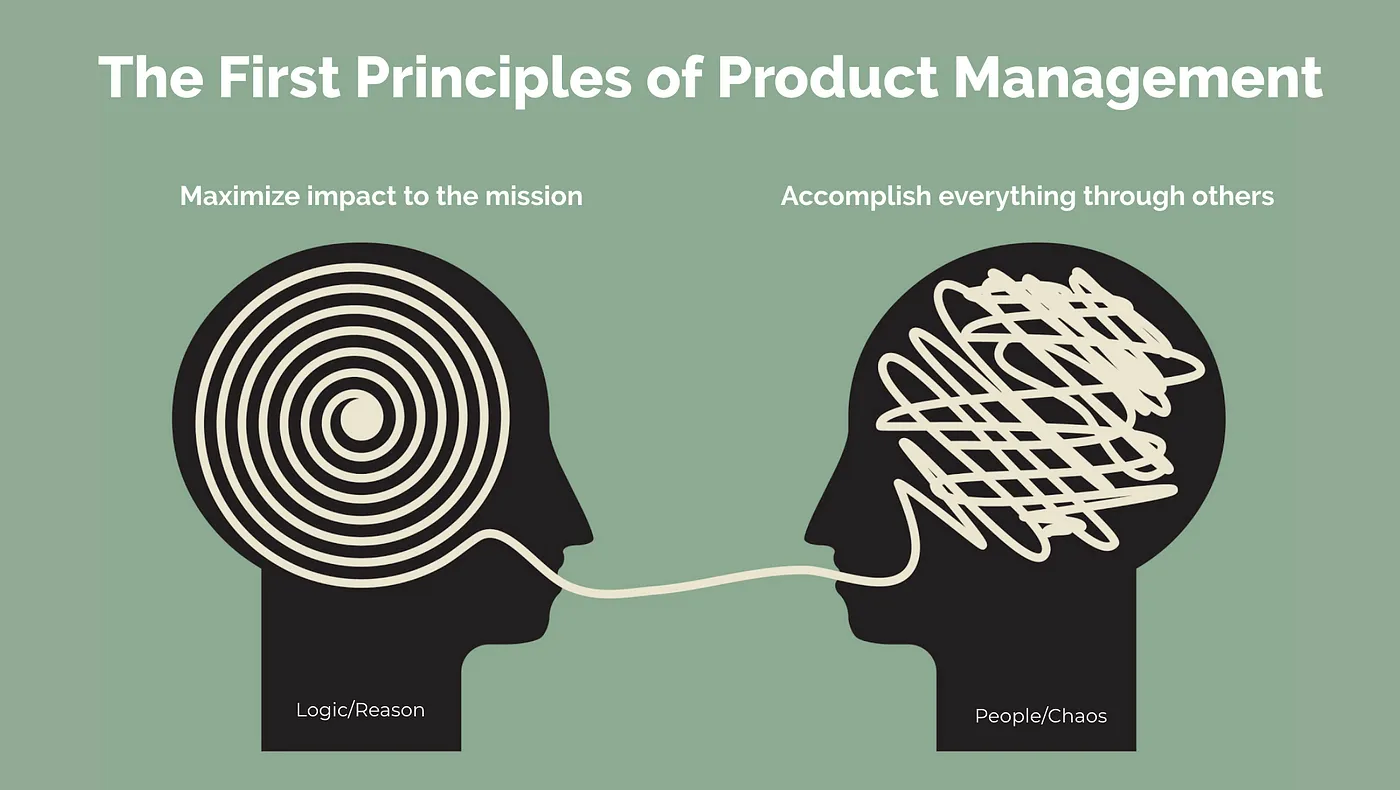
- Default to logic over understanding.
The best CTOs flip that script. They balance clarity with care — and use empathy as a multiplier, not a weakness.
What Emotional Intelligence Looks Like in Engineering Teams
Empathy in tech leadership doesn’t mean avoiding hard calls or tiptoeing around feedback. It means navigating complexity with awareness — of people, not just systems.
Here’s how it shows up in real engineering orgs:
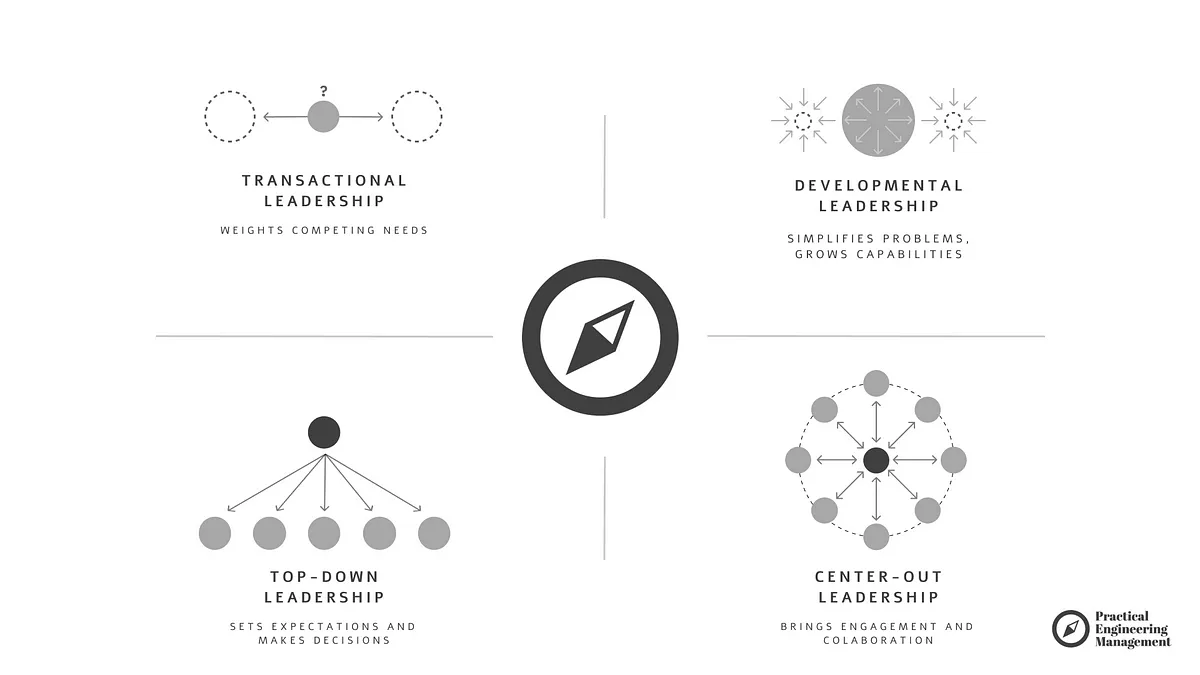
Clarity Without Sharp Edges
Strong engineering leaders set clear expectations. But they do it in ways that:
- Respect different communication styles.
- Assume good intent.
- Create room for questions before judgment.
It’s not about being soft. It’s about delivering direction without triggering defense.
Feedback That Builds, Not Breaks
Emotionally intelligent engineers give feedback that lands:
- “Here’s what I noticed…” instead of “That was wrong.”
- “What were you optimizing for?” before offering critique.
- Private first, public when celebrating.
This builds a learning loop — not a fear loop.
Awareness of Energy, Not Just Output
The best CTOs don’t just track shipping velocity. They watch team energy:
- Are reviews slowing down?
- Is quiet hiding frustration?
- Are top performers doing invisible emotional labor?
They check in — not just check status.
Calm in Chaos
Pressure amplifies tone. When things break, people watch how leaders respond.
Empathetic engineers don’t panic publicly. They create space. And in doing so, they keep the team steady.
Growing EQ Without Losing Your Edge
Emotional intelligence isn’t innate. It’s a skill — and like all skills, it compounds with practice.
Here’s how engineers grow EQ without becoming less technical or less decisive:
Ask Before You Assume
Default to curiosity, not conclusions.
- “What’s making this hard?”
- “Can you walk me through your thinking?”
- “How are you feeling about this?”
These questions defuse tension and surface blockers early.

Reflect After Hard Moments
EQ grows fastest when you review:
- How did that feedback land?
- Did I interrupt or guide?
- Was clarity missing, or tone off?
Journaling after tough meetings works better than obsessing in real-time.
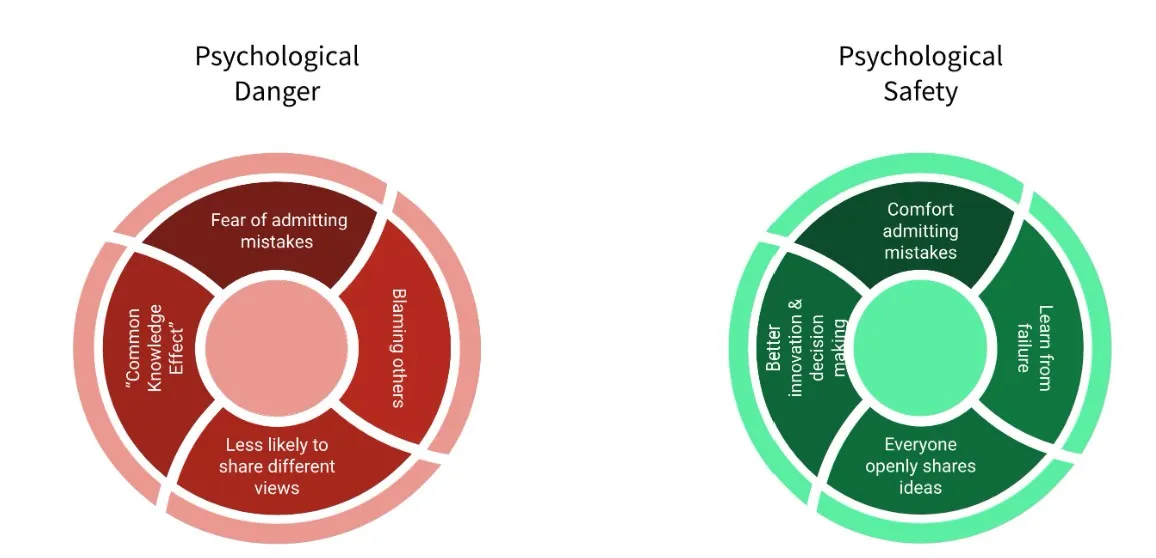
Set Emotional Norms, Not Just Technical Ones
Teams with strong EQ culture:
- Model respectful disagreement.
- Normalize naming burnout.
- Celebrate relational wins, not just commits.
Leadership doesn’t mean absorbing everything. It means shaping how people treat each other under pressure.
Learn From Cross-Functional Peers
PMs, designers, and even marketers often have higher emotional fluency. Borrow it:
- Watch how they navigate tension.
- Steal their language for navigating hard conversations.
- Ask how they deliver tough messages with clarity and care.
EQ Is a Scaling Skill
You can’t lead at scale without emotional intelligence. It’s what keeps culture intact when headcount triples. What builds trust when timelines compress. And what makes you the kind of leader great engineers want to follow — and become.

• PHP expertise;
• Database management skills;
•Jungling traits, methods, objects, and classes;
• Agile & Waterfall understanding and use;
• Soft skills (a good team player, high-level communication, excellent problem-solving background, and many more)
• OOP & MVS deep understanding;
• Knowledge of the mechanism of how to manage project frameworks;
• Understanding of the business logic the project meets;
• Cloud computing & APIs expertise.
• Reasonable life-work balance;
• The opportunity to implement the server-side logic via Laravel algorithms;
• Hassle-free interaction with back-end and front-end devs;
• Strong debugging profile.
• Using HTML, XHTML, SGML, and similar markup languages
• Improving the usability of the digital product
• Prototyping & collaboration with back-end JS experts
• Delivery of high-standard graphics and graphic-related solutions
• Using JS frameworks (AngularJS, VueJS, ReactJS, etc
• Clean coding delivery and timely debugging & troubleshooting solution delivery
• UI testing and collaboration with front-end JS teammates
• Database experience
• Building APIs while using REST or similar tech solutions
• Collaboration with project managers and other devs
• Delivery of design architecture solutions
• Creation of designs & databases
• Implementation of data protection and web cybersecurity strategies.
• Both front-end and back-end qualifications