The Unopinionated Engineer Doesn’t Exist — Stop Pretending

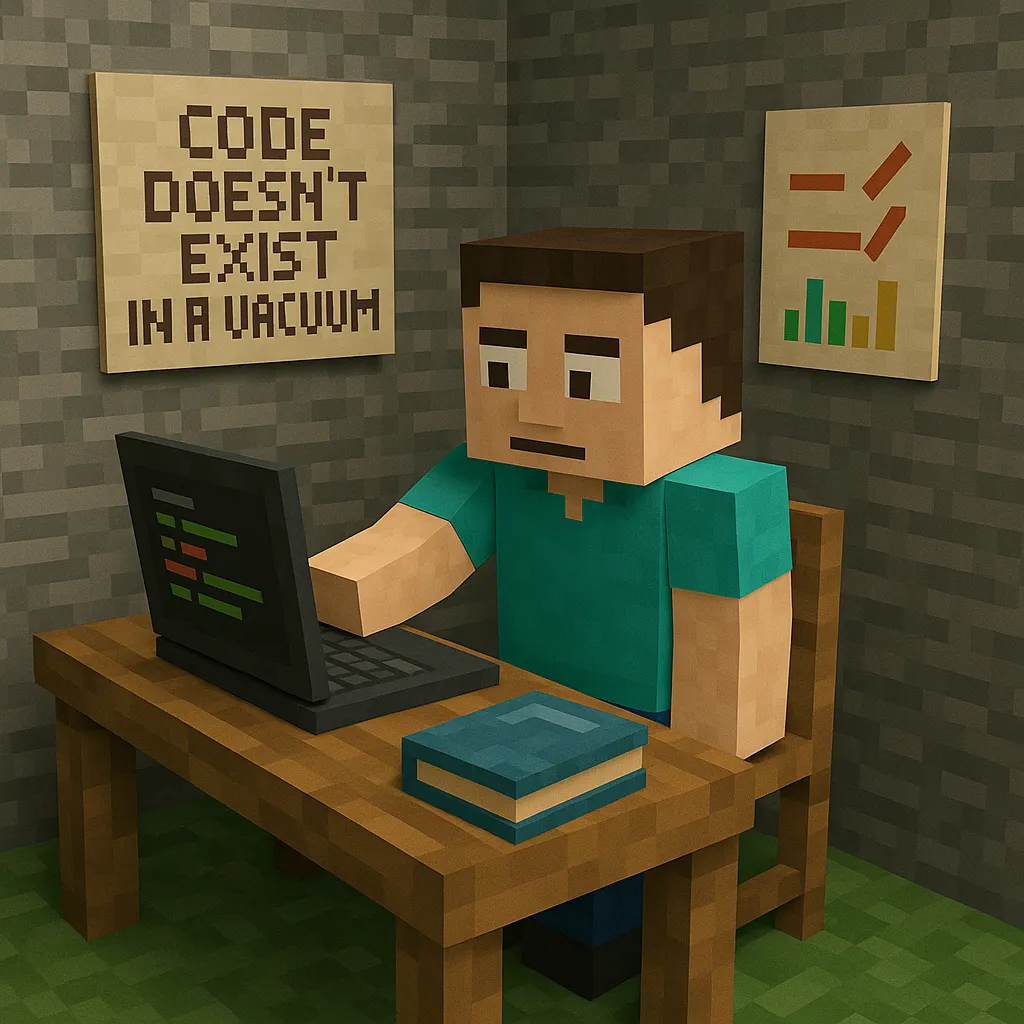
Code Doesn’t Exist in a Vacuum
Some teams say they just want engineers who “execute.” Who don’t question the roadmap. Who don’t challenge product decisions. Who “just write the code.”
But that’s not neutrality. That’s abdication.
The idea of the unopinionated engineer is a myth — and a dangerous one.
Because every line of code reflects a decision. Every implementation shapes the product. And every engineer brings context, tradeoffs, and lived experience that influence what gets built, how fast, and for whom.
Pretending otherwise creates a gap between builders and decision-makers — one that slows progress, dilutes ownership, and frustrates both sides.
Opinions Aren’t a Distraction — They’re Design Inputs
Strong engineering teams don’t fight product direction. They make it sharper.
Where the Myth Comes From
This mindset often emerges when:
- Product and engineering are misaligned.
- Leadership mistakes silence for focus.
- Prior projects suffered from too much debate, too little delivery.
So the pendulum swings. Engineers are told to “stay in their lane.” But that lane doesn’t exist in reality.
Opinions Aren’t a Distraction — They’re Design Inputs
Strong engineering teams don’t fight product direction. They make it sharper.
Here’s how high-performing orgs harness engineer perspective:
Engineers Challenge Scope, Not Just Time
They ask:
- “What’s the smallest version of this we can ship?”
- “What’s the real user problem we’re solving?”
This cuts waste and reveals better paths forward.
They Bring Edge-Case Awareness Early
Every product decision creates edge cases. Engineers often see them before anyone else — and can design around them before they become support tickets.
Implementation Choices Shape UX
Code isn’t neutral. Architecture influences speed, flexibility, and usability. Engineers who understand product context can pick tradeoffs that align with actual goals.
They Spot Patterns Before Metrics Do
Engaged engineers notice where users get stuck, where scaling breaks, and where friction piles up — even before it shows in dashboards.
Ignoring that perspective means missing free insight.

Engineering Input Without Decision Chaos
Welcoming engineering opinions doesn’t mean every idea becomes a debate. Healthy teams build lightweight systems that capture insight without stalling execution.
Here’s how:
Define When Input Happens — and When It Doesn’t
Engineers don’t need to weigh in on everything. But they should know when their voice matters:
- Before specs are locked.
- When technical constraints impact feasibility.
- During retros on what shipped and why.
Set clear boundaries. Then make space for real input.
Use Async Channels to Collect Opinions
Opinions aren’t meetings. Use docs, Slack threads, or short memos to gather:
- Scope suggestions
- Technical flags
- Alternative ideas
Then move forward — don’t get stuck in consensus loops.
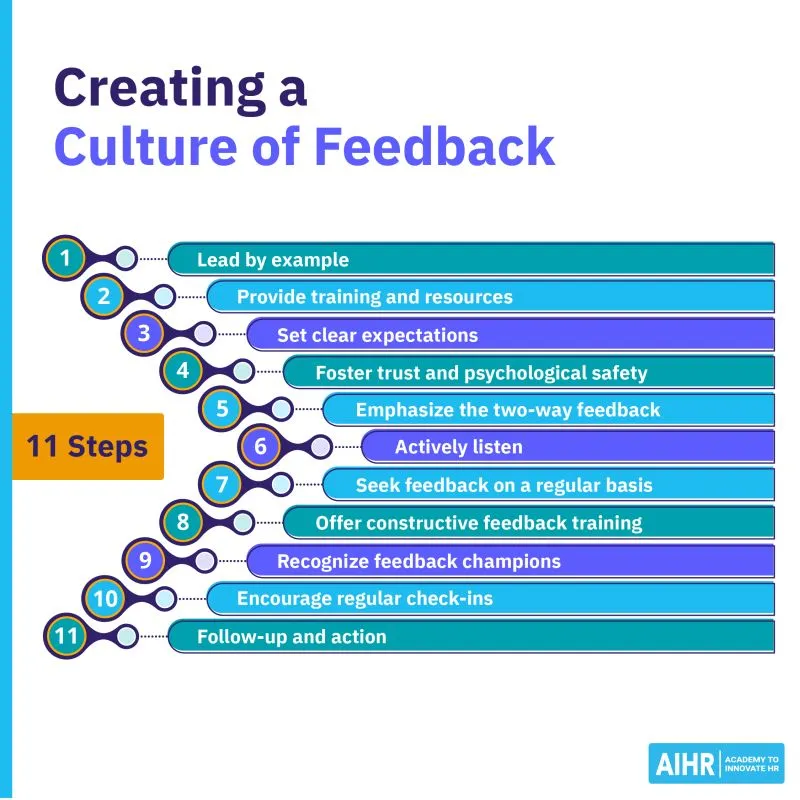
Make Feedback Safe — and Actionable
Engineers won’t speak up if it feels risky.
- Celebrate questions, not just commits.
- Make it clear where feedback landed.
- Close the loop even when you say no.
Teach Product and Engineering to Frame Tradeoffs Together
The best ideas live at the intersection:
- Product: “What creates value?”
- Engineering: “What scales?”
- Together: “What’s the fastest way to learn?”
-
Opinionated Engineers Don’t Slow You Down — They Make the Whole System Smarter
If your team isn’t thinking, they’re not building. And if your org treats engineering input like friction, you’re not scaling — you’re guessing.
Better products come from better conversations. Start there.

• PHP expertise;
• Database management skills;
•Jungling traits, methods, objects, and classes;
• Agile & Waterfall understanding and use;
• Soft skills (a good team player, high-level communication, excellent problem-solving background, and many more)
• OOP & MVS deep understanding;
• Knowledge of the mechanism of how to manage project frameworks;
• Understanding of the business logic the project meets;
• Cloud computing & APIs expertise.
• Reasonable life-work balance;
• The opportunity to implement the server-side logic via Laravel algorithms;
• Hassle-free interaction with back-end and front-end devs;
• Strong debugging profile.
• Using HTML, XHTML, SGML, and similar markup languages
• Improving the usability of the digital product
• Prototyping & collaboration with back-end JS experts
• Delivery of high-standard graphics and graphic-related solutions
• Using JS frameworks (AngularJS, VueJS, ReactJS, etc
• Clean coding delivery and timely debugging & troubleshooting solution delivery
• UI testing and collaboration with front-end JS teammates
• Database experience
• Building APIs while using REST or similar tech solutions
• Collaboration with project managers and other devs
• Delivery of design architecture solutions
• Creation of designs & databases
• Implementation of data protection and web cybersecurity strategies.
• Both front-end and back-end qualifications