Two hiring models, two kinds of trust

Published 20 October 2026
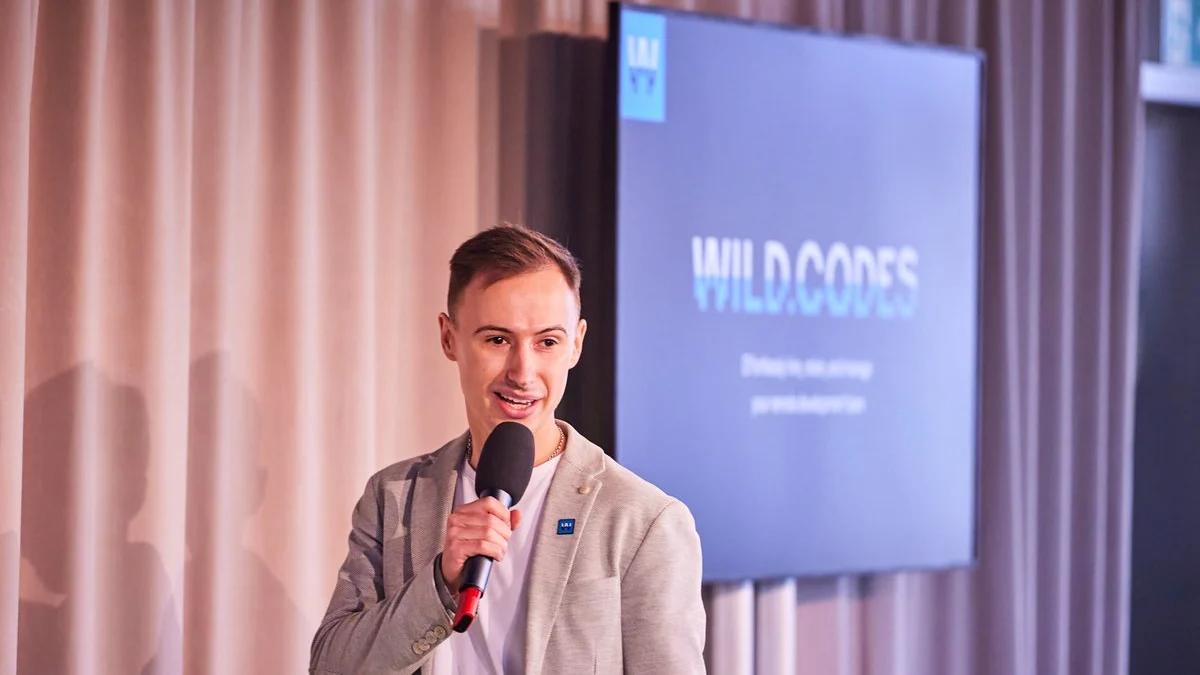
Demetris Stefani writes Growth Under Pressure, a series of long conversations with founders about what holds growth back. For issue No.5 he spoke with our co-founder Serge Lavrinchuk. His read of Wild.Codes: we run two hiring models, and each one asks the buyer for a different kind of trust.
On subscription, the engineer works in your team while we hold the contract, payroll and compliance, and we stay in the relationship for as long as it lasts. On a permanent hire through Direct Hire, the engineer joins your payroll and we step out once the placement holds. Demetris calls these two different promises: one says we will stay with you, the other says we will get it right and then leave you to it. You can compare both, side by side with a recruitment agency, on our pricing page.
Below are three moments from the conversation that we keep coming back to.
Trust came from a client
Serge did not start with a theory about trust. He asked a client.
Recently I recorded a review with one of our best clients, someone who has become a friend. I asked him what made him choose us and stay. He said trust. That wasn't my assumption before.
Since then the proof comes first in how we talk about Wild.Codes: client reviews, recorded interviews you can watch before your own, and what has been published about us. It is all collected on our trust page.
Give first
The second theme is how a first conversation starts. There is no cost until you hire, and outreach starts with profiles rather than a sales call.
We don't push for a call, we don't try to close anyone. We say, would you like us to send two or three profiles? Take a look. If they match, we talk.

You do not own a hire
Companies after a Series A often want engineers on their own payroll. That is why Direct Hire exists, and Serge has a view on the reason behind the request:
The argument I hear most is, we want to own the person. For me that's strange. You don't own anyone. They can resign tomorrow.
Demetris thinks the real growth question sits here: subscription keeps us inside the engagement and teaches the engine what makes a placement last, while a permanent hire wins the deals subscription cannot. Which promise should lead, and for which buyer, is a fair question, and one we are working through.
Building from Kyiv
The interview also covers what happens when a placement fails, where AI speeds the search up and where a person still makes the call, and what it is like to run a company from Kyiv, where drones and missiles sometimes wake you at night and the work still gets done.

Read the full interview on Growth Under Pressure. If you are hiring, you can describe a role and see engineers who are free today, with a monthly rate on each.

• PHP expertise;
• Database management skills;
•Jungling traits, methods, objects, and classes;
• Agile & Waterfall understanding and use;
• Soft skills (a good team player, high-level communication, excellent problem-solving background, and many more)
• OOP & MVS deep understanding;
• Knowledge of the mechanism of how to manage project frameworks;
• Understanding of the business logic the project meets;
• Cloud computing & APIs expertise.
• Reasonable life-work balance;
• The opportunity to implement the server-side logic via Laravel algorithms;
• Hassle-free interaction with back-end and front-end devs;
• Strong debugging profile.
• Using HTML, XHTML, SGML, and similar markup languages
• Improving the usability of the digital product
• Prototyping & collaboration with back-end JS experts
• Delivery of high-standard graphics and graphic-related solutions
• Using JS frameworks (AngularJS, VueJS, ReactJS, etc
• Clean coding delivery and timely debugging & troubleshooting solution delivery
• UI testing and collaboration with front-end JS teammates
• Database experience
• Building APIs while using REST or similar tech solutions
• Collaboration with project managers and other devs
• Delivery of design architecture solutions
• Creation of designs & databases
• Implementation of data protection and web cybersecurity strategies.
• Both front-end and back-end qualifications